A smart controller is the cheapest meaningful upgrade in most San Diego yards — but only if the zones are described to it accurately.
What they actually do
Weather-based controllers adjust run times against local evapotranspiration data — temperature, humidity, solar radiation and rainfall — instead of a fixed calendar. In practice that means shorter cycles in May, longer in September, and skipped days after rain.
Documented savings in Southern California typically land between 15% and 30% of outdoor use.
Setup details that decide the outcome
Take twenty minutes on setup and you get the savings; rush it and it waters like a dumb timer.
- Set soil type honestly — most inland yards are clay loam, not loam
- Enter slope for hillside zones so the controller uses cycle-and-soak
- Separate drip, spray and rotor zones; never mix emission types on one valve
- Set plant type per zone: natives, shrubs, turf and pots all differ
- Enable a rain skip and a seasonal shift
Cycle and soak in clay
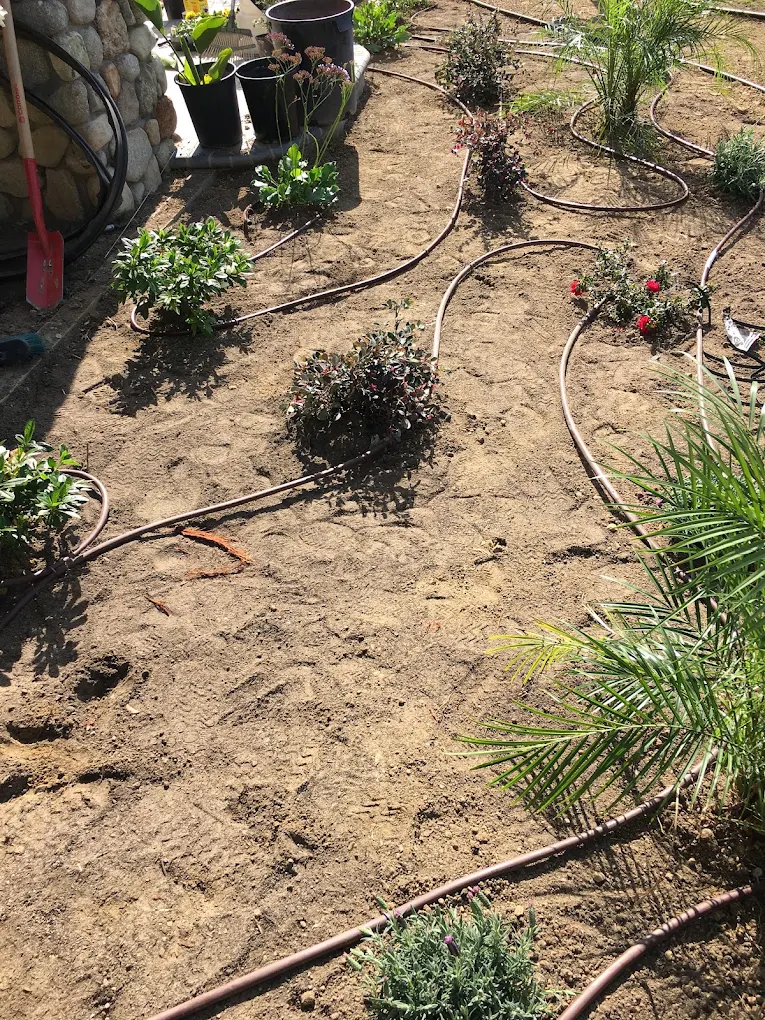
Clay soils in El Cajon, Santee and parts of Chula Vista accept water slowly. A single 12-minute spray cycle mostly becomes runoff down the driveway. Three four-minute cycles with 30-minute soak intervals deliver the same water into the root zone instead of the gutter.
Frequently asked
- Which brands do you install?
- We install the major weather-based platforms; the controller matters less than the zone configuration and hydraulics behind it.
- Do they need Wi-Fi?
- Most rely on it for weather data. They fall back to a stored schedule if the network drops.
- Any rebates?
- Local water agencies periodically offer smart controller rebates — verify current programs before purchase.