Dry shade — under an established tree, along a north wall, on a canyon edge — is the toughest condition in San Diego gardens, and most published shade lists assume a humid climate.
Dry shade performers
All of these accept low light and low-to-moderate water once established.
- Clivia miniata — glossy leaves, dramatic orange bloom
- Aspidistra elatior (cast iron plant) — nearly unkillable
- Heuchera maxima — California native coral bells
- Rhaphiolepis, Sarcococca and Pittosporum 'Golf Ball' for mass
- Asparagus densiflorus 'Myers' and Dianella for texture
Bright shade and filtered light
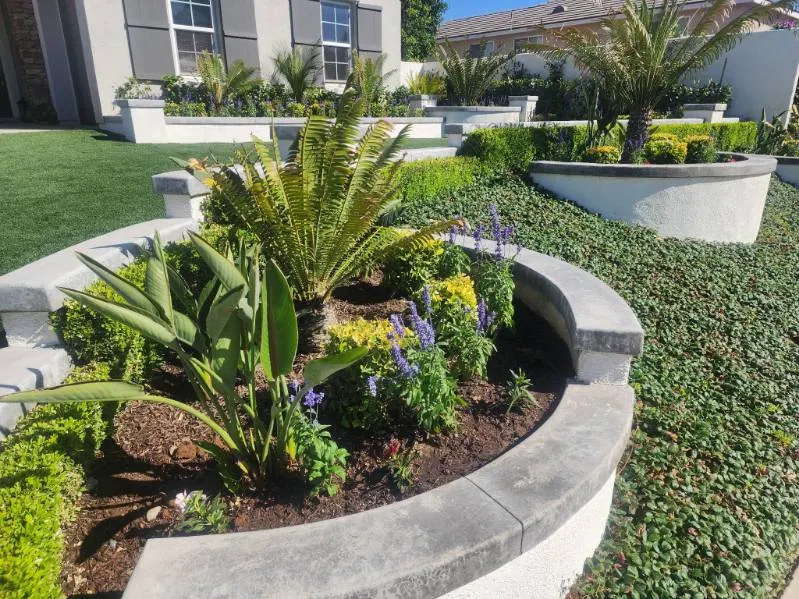
Under high canopy — jacaranda, olive, pepper — you can push to camellia, azalea in amended beds, philodendron 'Xanadu', giant bird of paradise and tree ferns, especially in coastal fog zones like Point Loma and Ocean Beach.
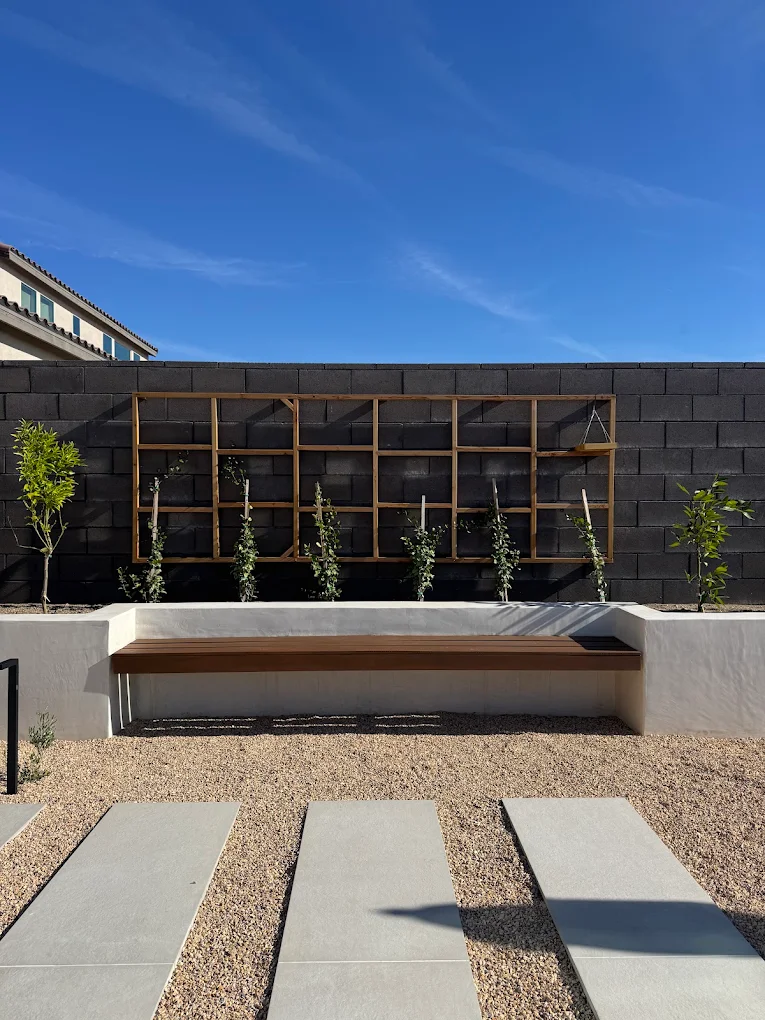
Why shade plantings fail here
Two reasons: root competition and overwatering. A mature tree drinks everything within its dripline, so shaded beds need their own drip emitters and generous soil amendment at planting. And because shade beds dry slowly, running the same schedule as sunny zones drowns them. Put shade on its own valve.
Frequently asked
- Can I grow grass in shade?
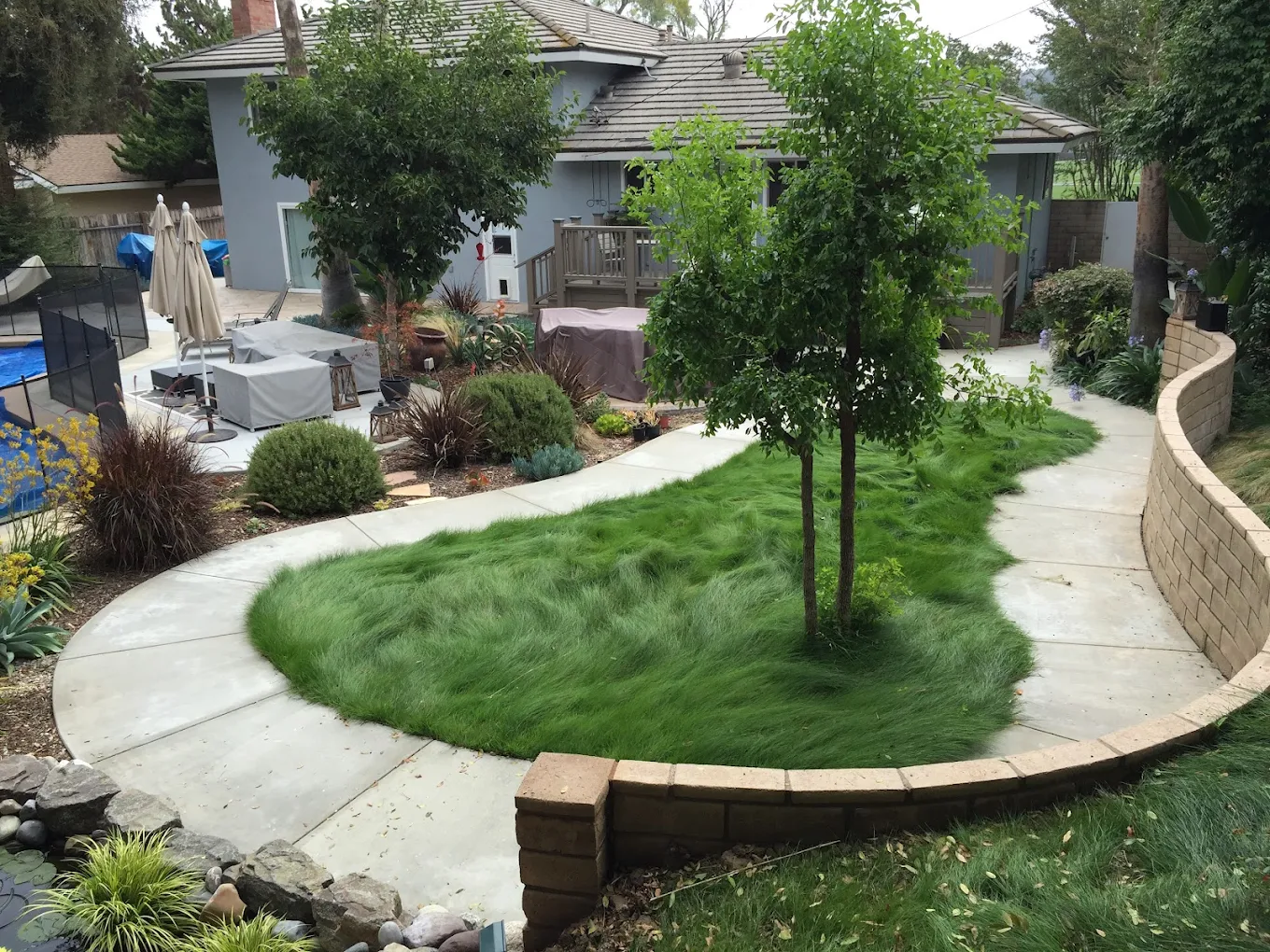
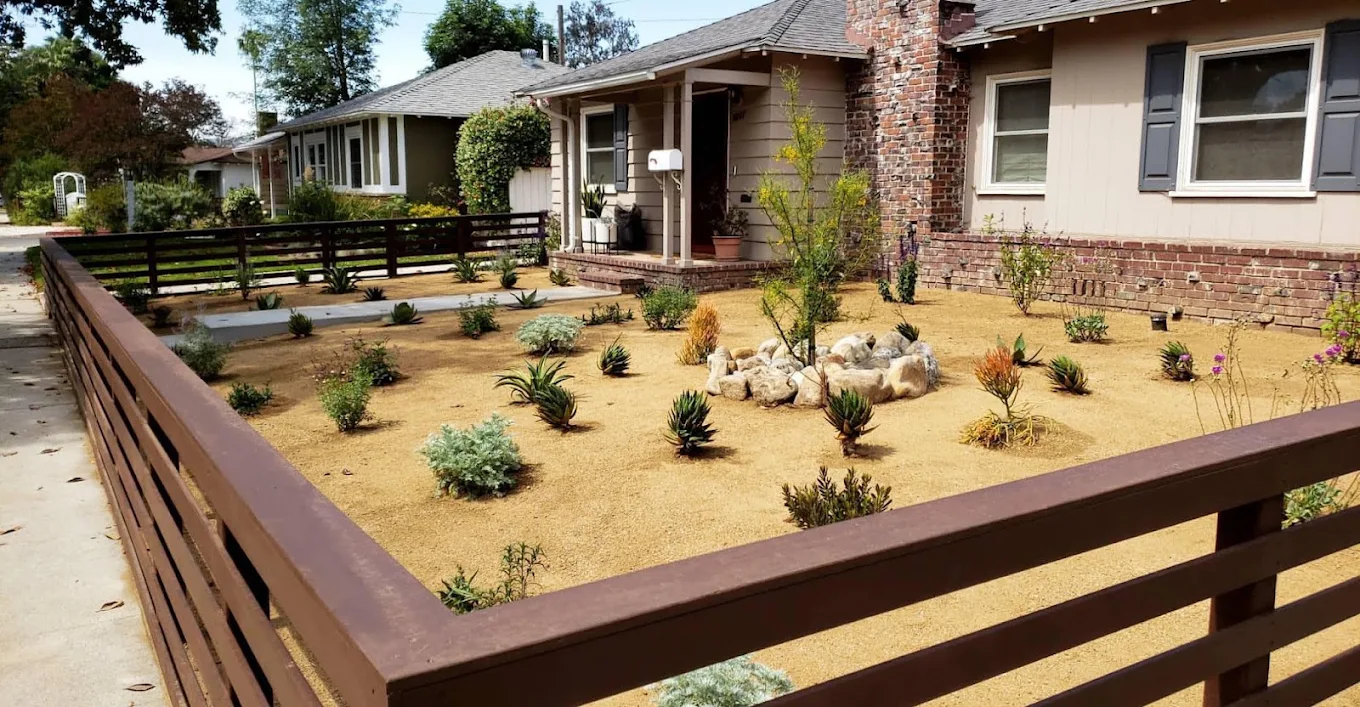
- Rarely with good results in San Diego. Groundcover, DG or a shade patio is a better answer than replacing sod every two years.
- What about artificial turf under trees?
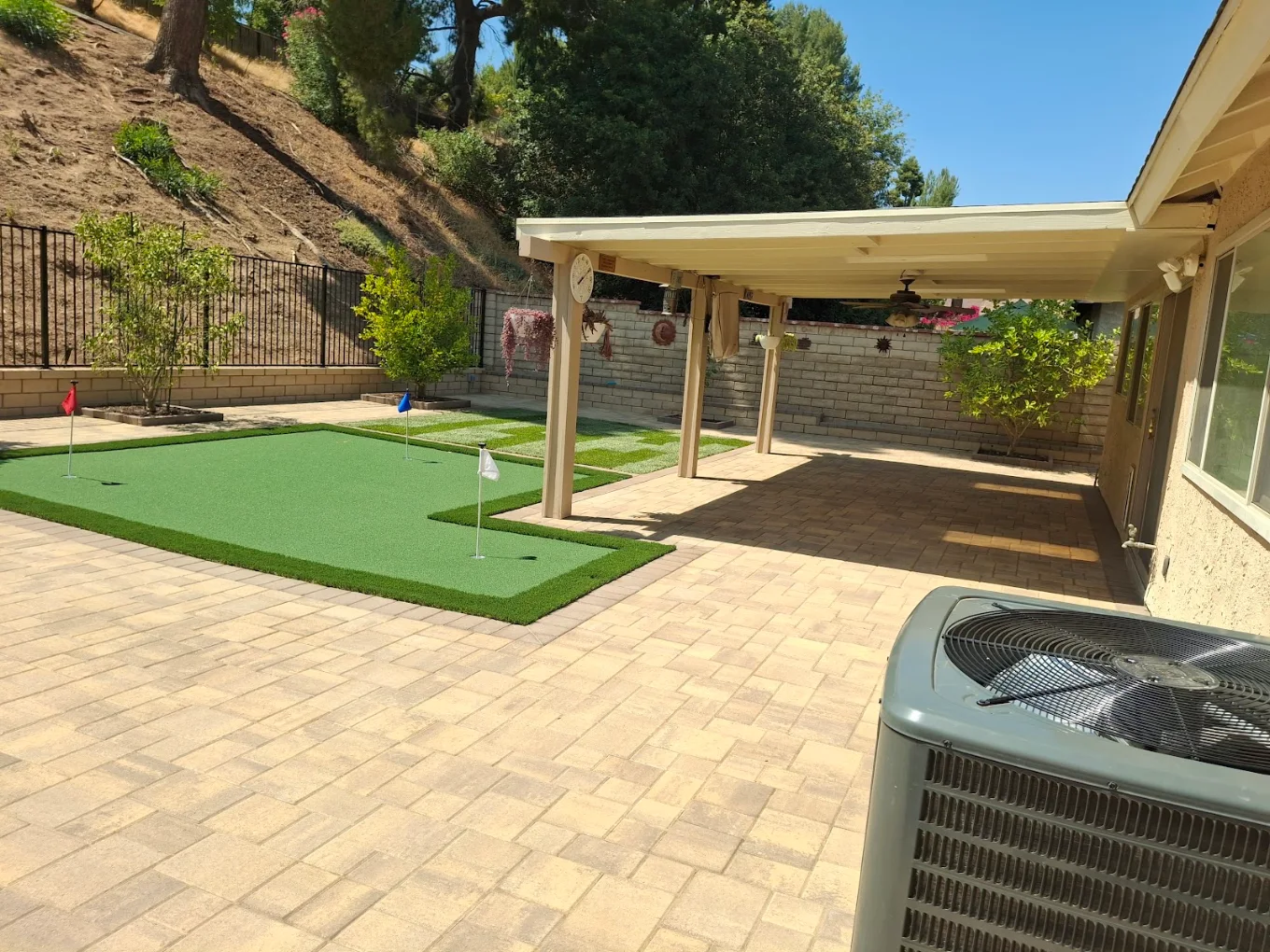
- It works well in shade and eliminates the bare-patch problem, provided the base drains and roots are respected.
- Will succulents grow in shade?
- A few — haworthia, some aeoniums, sansevieria — but most stretch and lose color.