Most homeowners start with a number in their head and no map of what it buys. This is the framework we use in design consultations.
Three honest tiers
For a typical 1,500–2,500 sq ft San Diego backyard:
- $25k–$50k — refresh: patio, planting, irrigation, lighting, cleanup of what exists
- $60k–$120k — transformation: new hardscape layout, walls, turf or planting, drainage, lighting, small structure
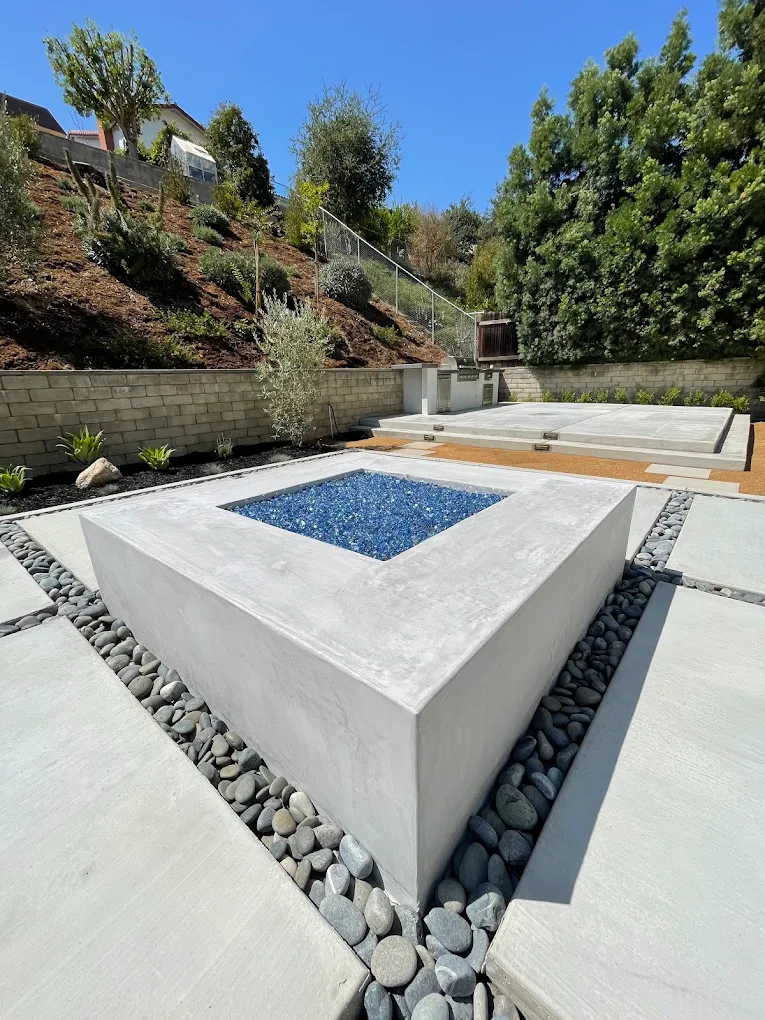
- $150k+ — full outdoor living: kitchen, fire features, pool coordination, shade structures, custom masonry
Phasing without paying twice
Phasing is smart when the plan is complete and the sequencing is right. It is expensive when you install a patio and then trench through it for gas, water or conduit next year.
Rule: design the whole yard once, then install underground infrastructure — drainage, sleeves, conduit, gas stubs, irrigation mains — during phase one, no matter how small the visible work is.
Spend here, save there
Worth the money: grading and drainage, base prep, structural work, irrigation controls, lighting transformers and fixtures you will not replace in three years.
Fine to economize: plant size (a 5-gallon catches a 15-gallon in three seasons), decorative furniture, decorative pots, and phase-two amenities like outdoor kitchens.
Where the money actually goes
Homeowners are usually surprised by how much of a landscape budget is consumed before anything looks finished. Demolition, grading, drainage, base and utilities are most of the work and none of the photograph.
- Site work: demolition, haul-off, grading and drainage
- Structure: retaining walls, steps, footings, shade structures
- Surfaces: paving, decking, turf or gravel
- Systems: irrigation, lighting, gas and electrical sleeves
- Planting: trees first, then shrub mass, then detail
- Finish: edges, caps, joint work, furniture and pots
A sensible phasing order
When a project has to be split across years, the order matters more than the size of each phase.
| Phase | What it includes | Why it comes first |
|---|---|---|
| 1 | Full design, grading, drainage, sleeves, conduit, irrigation mains | Everything else sits on top of it. Retrofitting means demolition. |
| 2 | Hardscape: patios, walls, steps, driveway | Sets the levels the planting is graded to. |
| 3 | Planting, turf, lighting | Fast visual payoff once the structure exists. |
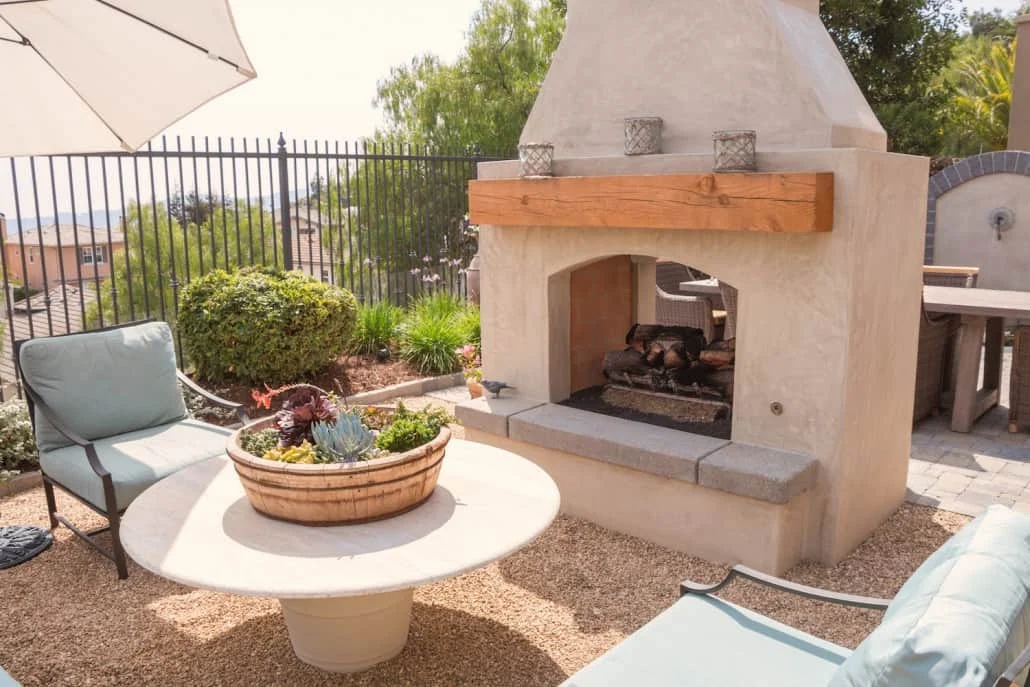
| 4 | Outdoor kitchen, fire features, shade structure | Plugs into stubs already in the ground. |
Frequently asked
- Does landscaping add home value in San Diego?
- Well-executed outdoor living space commonly returns a meaningful share of its cost at resale, and it shortens time on market in a climate where the yard is a living room.
- How long does a full renovation take?
- Typical design-build timeline is 3–6 weeks of design and approvals, then 4–12 weeks of construction depending on scope.
- Should I get three bids?
- Get three, but compare scopes line by line. The cheapest bid is usually the one missing base depth, drainage and cleanup.
- What is a realistic landscaping budget for a San Diego backyard?
- Most full backyard transformations land between $60k and $120k. Refreshes that reuse existing paving and layout start considerably lower, and outdoor living builds with kitchens and structures run higher.
- Is it cheaper to do everything at once?
- Usually yes, because mobilisation, demolition and site access are paid for once. Phasing still makes sense when it is planned as one design.