A pollinator garden is the rare landscape feature that pays you back in motion — the yard is simply alive. It also happens to be low-water and low-maintenance when built right.
Plan for bloom succession
The goal is something in flower every month of the year.
- Winter: manzanita, aloe, rosemary
- Spring: ceanothus, salvia, penstemon, California poppy
- Summer: kangaroo paw, buckwheat, lantana, agastache
- Fall: California fuchsia, Salvia leucantha, seaside daisy
Host plants matter as much as nectar
Nectar feeds adults; host plants let butterflies reproduce. Milkweed (native narrowleaf, not tropical), Dutchman's pipevine for pipevine swallowtails, fennel and citrus for anise and giant swallowtails, and native buckwheats for a dozen small butterflies.
Accept some chewed leaves. That is the garden working.
Water, shelter and habits
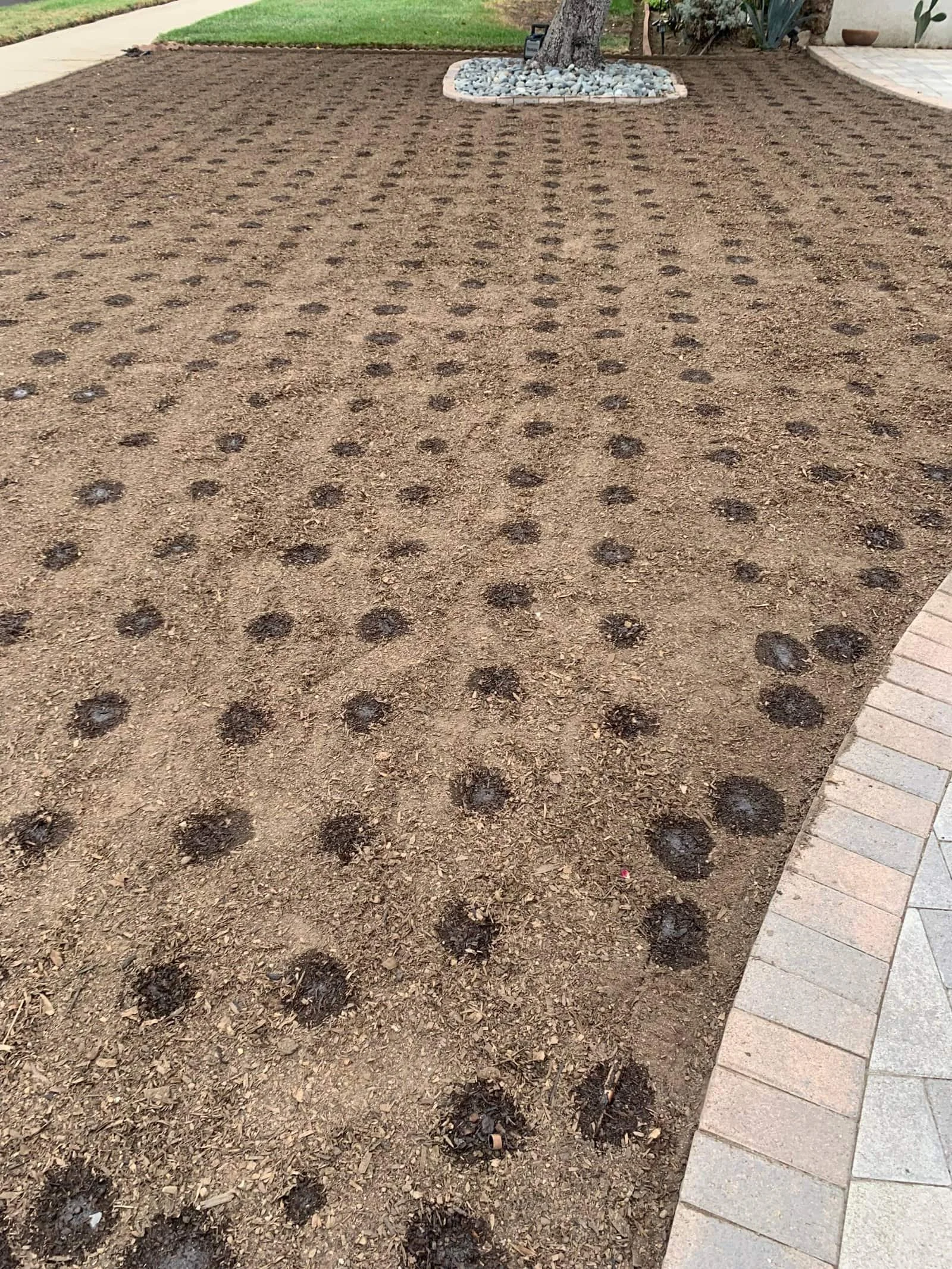
Add a shallow water source with stones for landing. Leave a small patch of bare, undisturbed soil for ground-nesting native bees — roughly 70% of them nest in the ground. Skip broad-spectrum insecticides entirely; they undo the whole project.
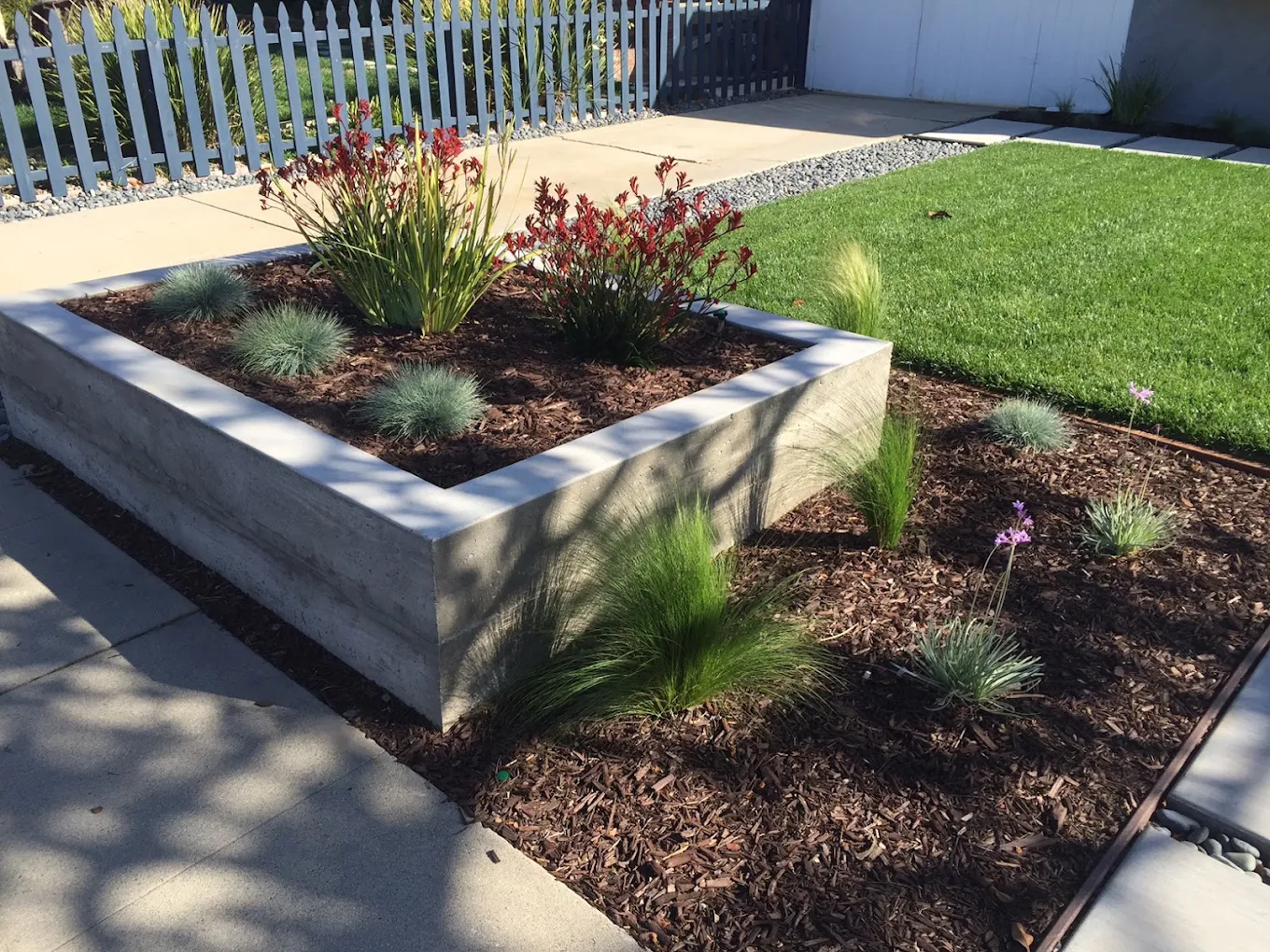
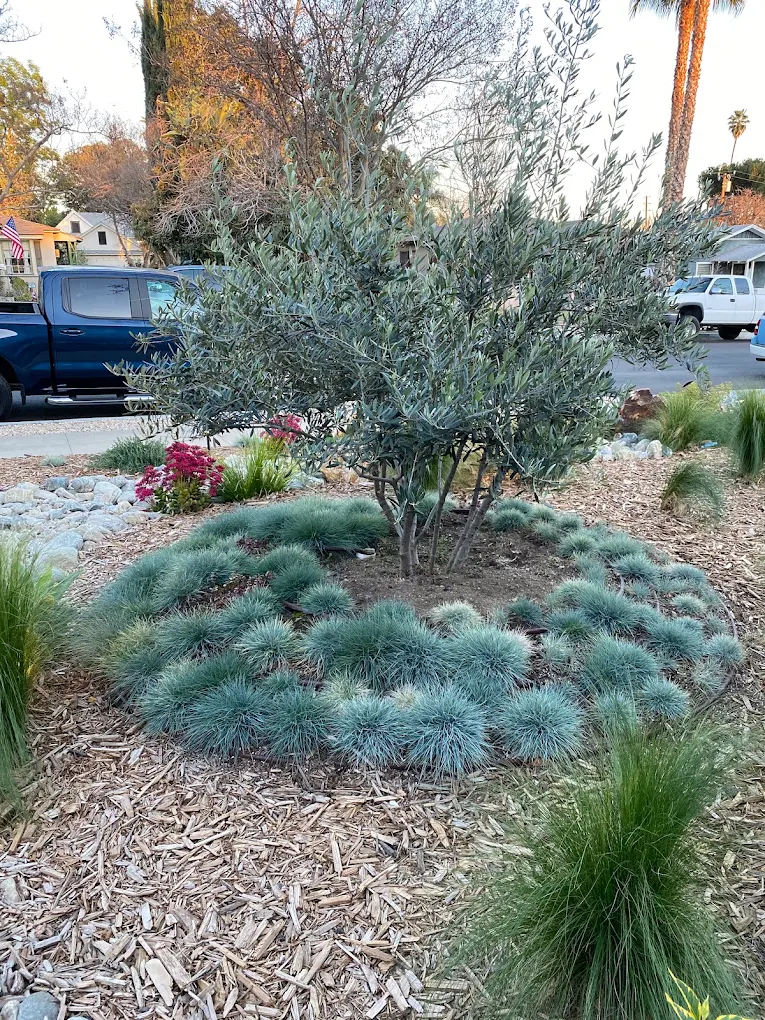
To keep it looking designed, plant in bold repeated drifts, keep a crisp edge along paths, and use one or two evergreen structural plants to hold the composition in winter.
Frequently asked
- Will this attract too many bees?
- Native bees are non-aggressive and rarely sting. Placing the densest bloom away from doorways handles most concerns.
- Is milkweed good or bad?
- Plant native narrowleaf milkweed; avoid tropical milkweed, which can disrupt monarch migration in mild climates.
- How big does it need to be?
- Even a 60 sq ft bed with the right species draws pollinators within weeks.