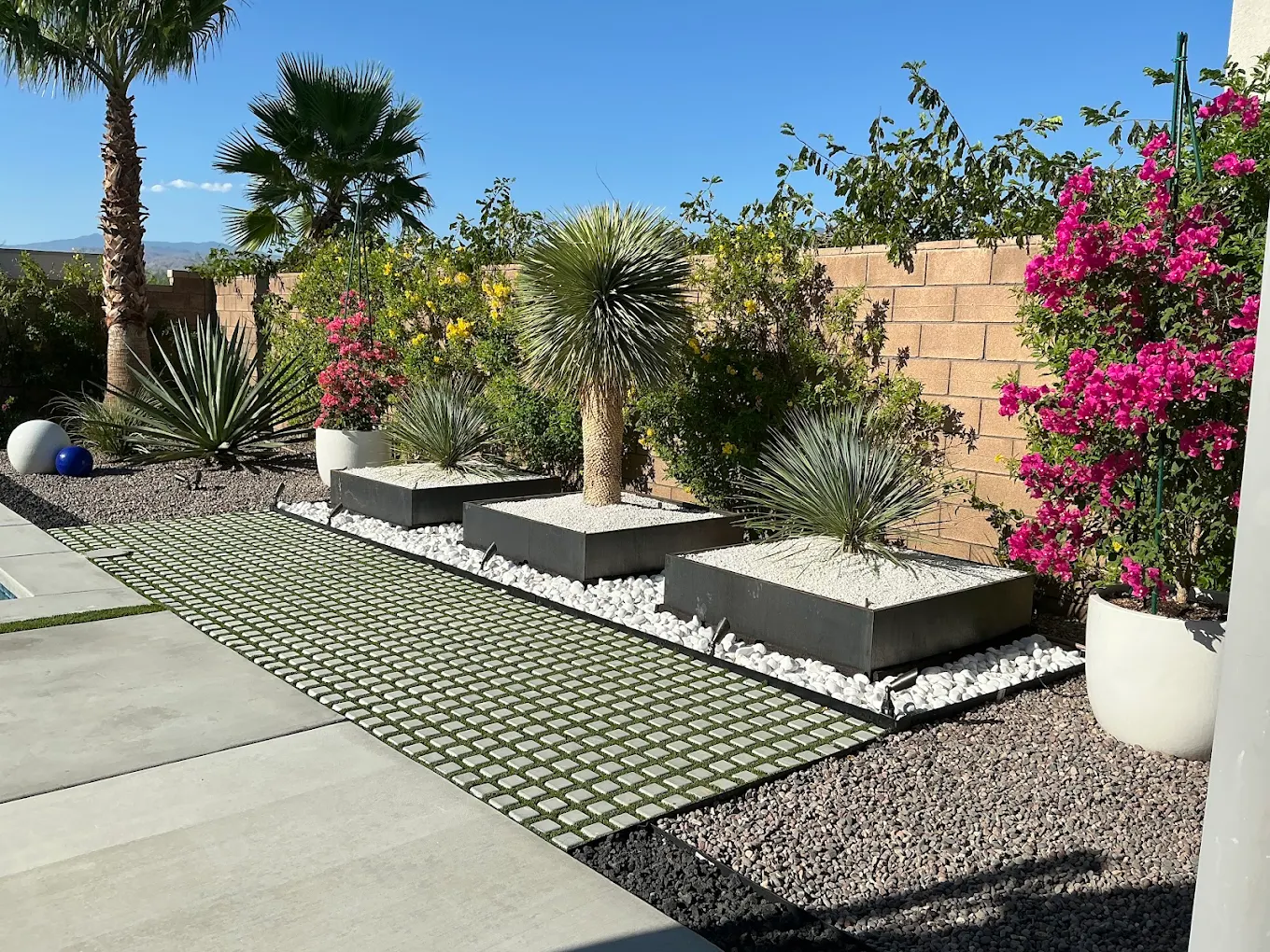
Natives get a reputation for looking scruffy. That is usually a design problem, not a plant problem. Placed with repetition and edged cleanly, a native garden reads as refined as any Mediterranean one.
This guide is organized the way we actually specify plants on a San Diego job: by the role a plant plays in the design, then by whether the site is coastal or inland.
Structural shrubs — the backbone
These carry the shape of the garden year-round. Pick two or three, repeat them, and let everything else be seasonal.
- Ceanothus 'Concha' and 'Yankee Point' — spring blue, evergreen
- Arctostaphylos 'Howard McMinn' — manzanita with beautiful bark
- Heteromeles arbutifolia (toyon) — screening and winter berries
- Rhus integrifolia (lemonade berry) — tough coastal evergreen mass
- Malosma laurina (laurel sumac) — fast inland screening on dry slopes
Groundcovers and slope stabilizers
Groundcover is where native plantings usually succeed or fail visually. Bare mulch between shrubs reads unfinished; a knitted low layer reads designed.
- Baccharis 'Pigeon Point' — dense, fast slope cover
- Ceanothus 'Yankee Point' — low and wide where you want the same blue as the shrubs
- Eriogonum fasciculatum (California buckwheat) — coastal workhorse, long bloom, seed heads for birds
- Encelia californica (California brittlebush) — bright spring yellow in tough coastal soil
- Salvia 'Bee's Bliss' — low grey groundcover under specimen shrubs
Grasses and movement
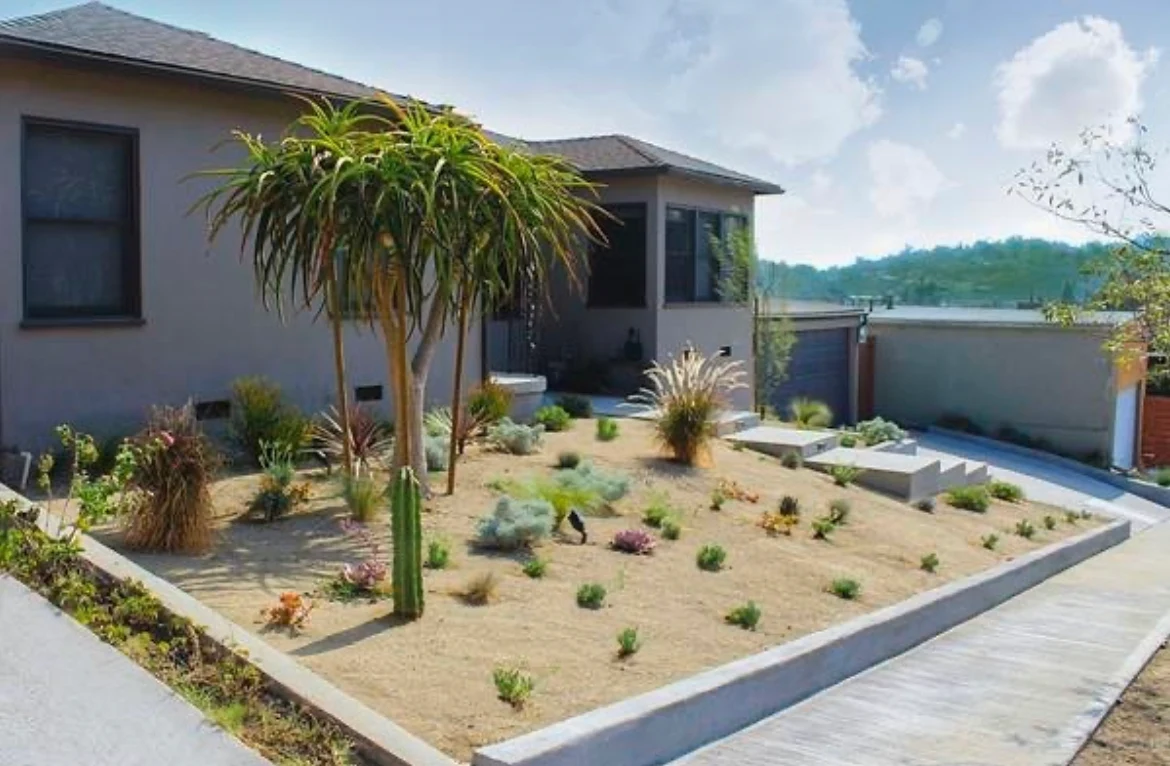
Native grasses do what ornamental grasses do — soften edges and move in the wind — without the summer water. They also stay legible next to hardscape, which matters when a garden is mostly paving and stone.
- Muhlenbergia rigens (deergrass) — the reliable native mass, cut back hard every few years
- Festuca californica — softer, better with afternoon shade
- Juncus species — for basins, swales and the low corner that stays damp
Pollinator and hummingbird plants
This is the fastest visible payoff in a native garden. Hummingbirds, native bees and butterflies find these within the first season.
- Epilobium (California fuchsia) — late-summer hummingbird color
- Salvia clevelandii and 'Winnifred Gilman' — fragrance plus bees
- Monardella villosa (coyote mint) — small, tidy, heavily visited
- Asclepias fascicularis (narrow-leaf milkweed) — larval host, dies back in winter by design
Screening and privacy with natives
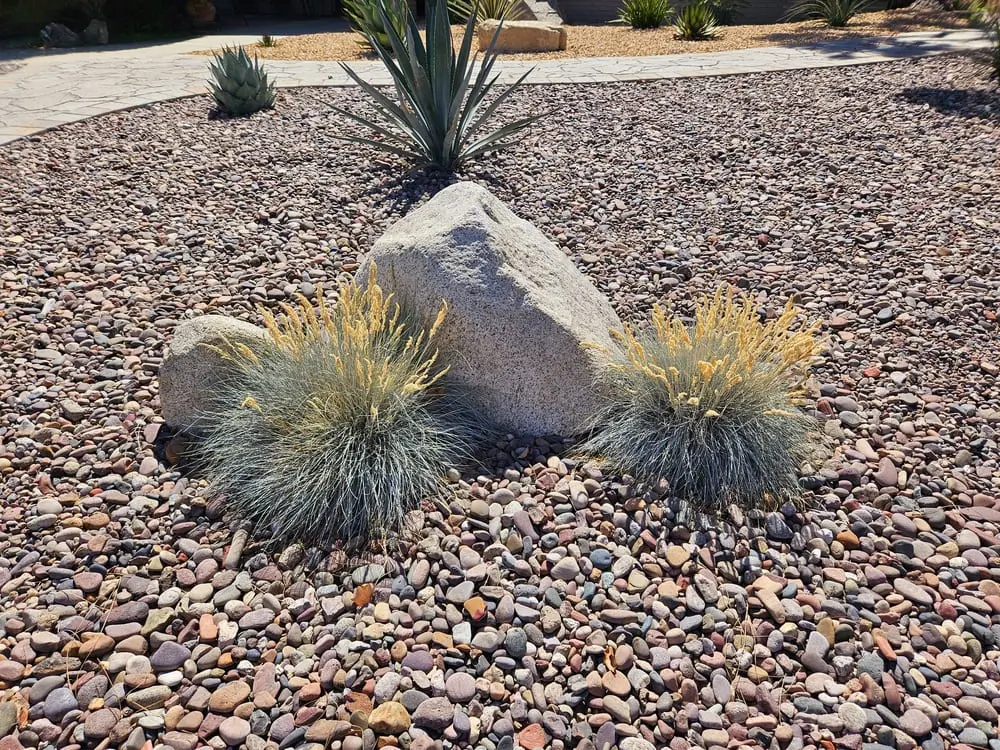
Natives can absolutely handle privacy work, but they screen with mass rather than the flat green wall a hedge gives you. Toyon, lemonade berry and laurel sumac all reach screening height in San Diego and take pruning well when you shape them early rather than shearing them later.
For a narrow side yard where a hedge line is the only option, mix a native mass at the wide end with a tighter evergreen where the space pinches — the eye reads the whole run as intentional.
Coastal versus inland selection
San Diego County is several climates in one drive. A plant that thrives in Point Loma fog can scorch in Poway, and an inland chaparral species can rot in coastal humidity if it is planted in a low spot.
| Condition | Reliable picks | Watch out for |
|---|---|---|
| Coastal, salt air and fog | Lemonade berry, coast buckwheat, Encelia, 'Yankee Point' ceanothus | Inland chaparral species that resent humidity and still soil. |
| Inland heat, dry slopes | Laurel sumac, toyon, deergrass, Cleveland sage, buckwheat | Anything needing consistent moisture; afternoon exposure is brutal. |
| Heavy clay, East County | Toyon, deergrass, Juncus in low spots | Manzanita and most chaparral shrubs unless the bed is mounded. |
| Shaded canyon edge | Festuca californica, currant, coffeeberry | Full-sun chaparral plants that stretch and thin in shade. |
The summer water rule
Most chaparral natives evolved to be dry in summer. Watering them like a perennial border invites root rot and sudden collapse in August.
Practical approach: water deeply and infrequently during the first two summers, then reduce to monthly or none for established chaparral species. Keep natives on a separate irrigation valve from your ornamental beds — this single choice saves more native plantings than any other.
Blending natives into a designed yard
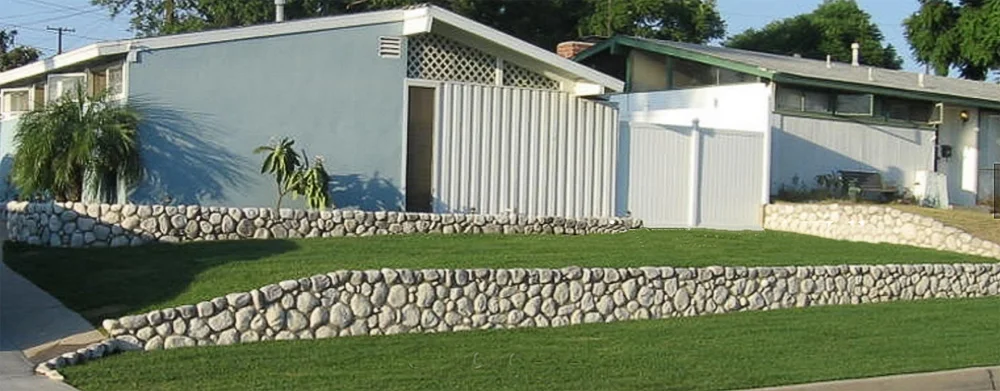
Group natives by water need, repeat three to five species rather than collecting twenty, and give each mass a clean edge — steel, masonry or DG. Mixing natives with Mediterranean plants like rosemary, lavender and olive works beautifully because their water needs align.
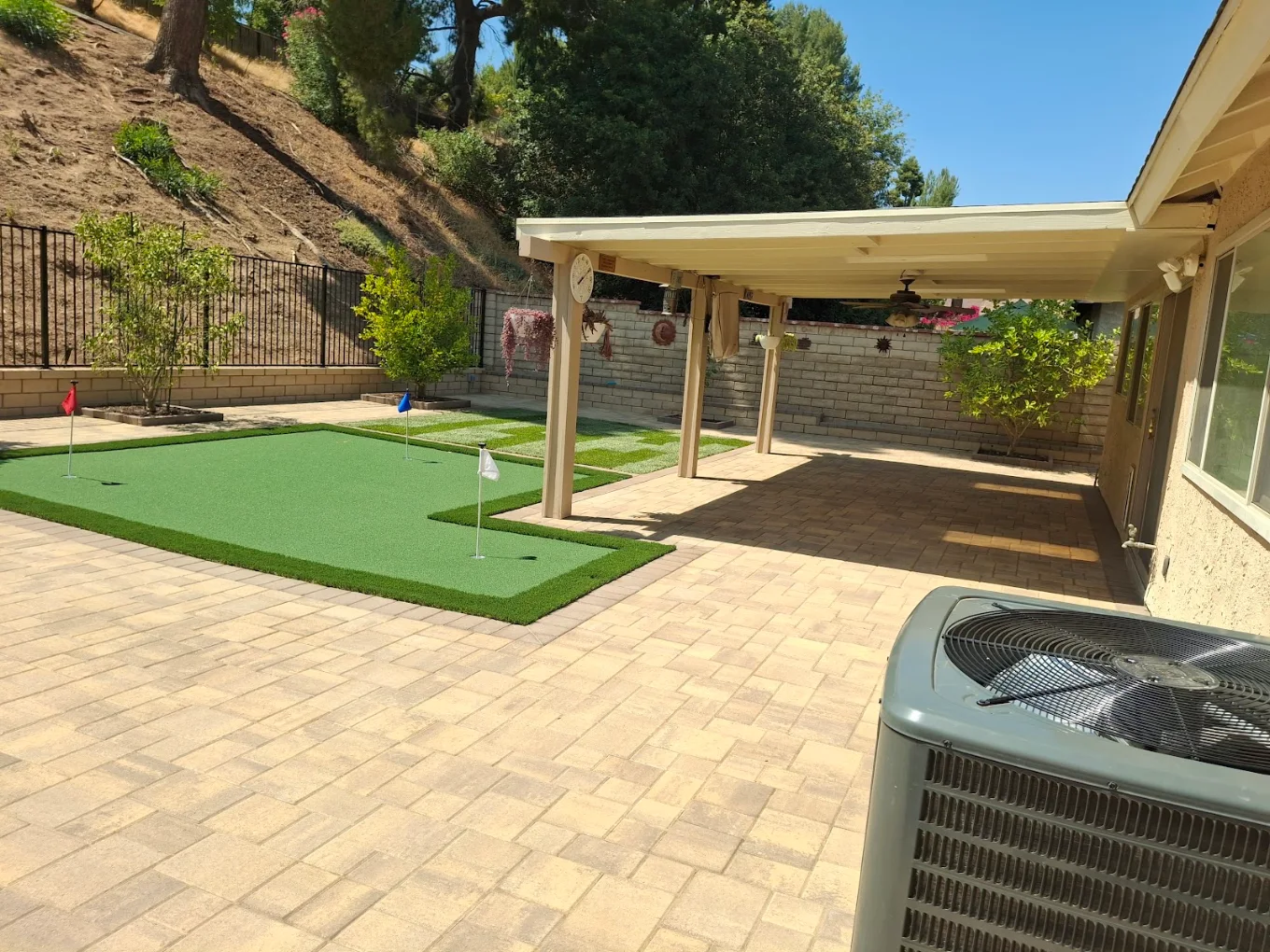
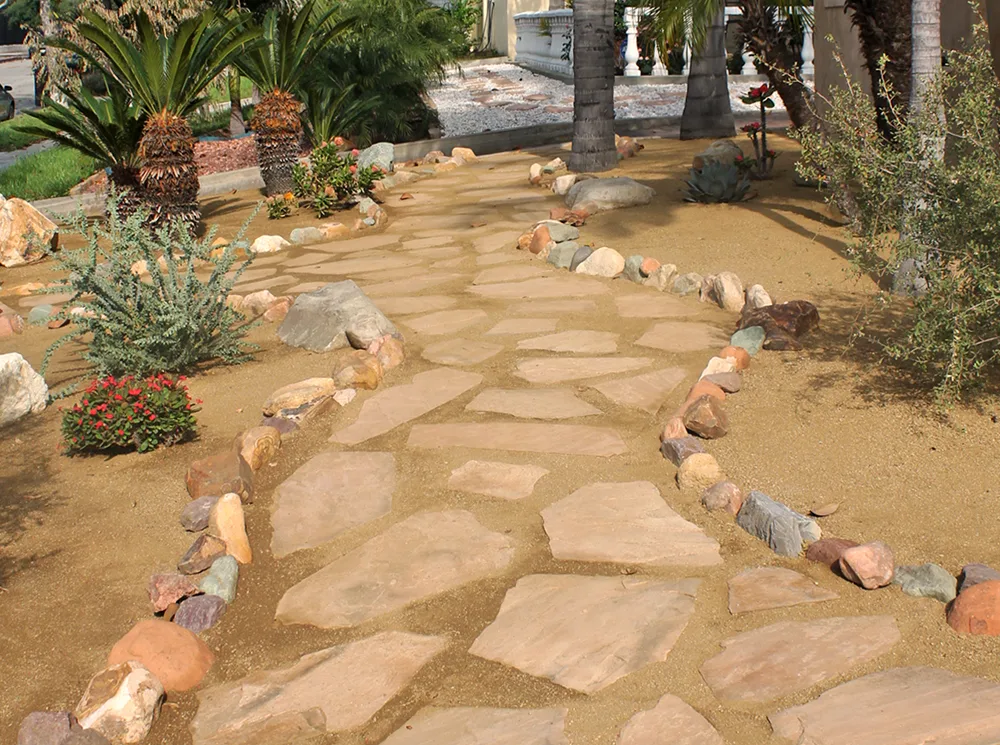
The other half of the trick is hardscape. A native palette against a well-built flagstone patio or a clean concrete edge reads as a garden. The same plants floating in bare mulch read as a vacant lot.
Frequently asked
- What are the best California native plants for a San Diego yard?
- For most gardens: ceanothus and manzanita for structure, toyon or lemonade berry for screening, buckwheat and Baccharis for groundcover, deergrass for movement, and California fuchsia and Cleveland sage for pollinators.
- Are natives lower maintenance?
- Lower water and lower fertilizer, yes. They still need seasonal pruning and cleanup to look designed.
- Will natives bring wildlife?
- Quickly — hummingbirds, native bees and butterflies show up within the first season.
- Can natives grow in clay?
- Some, but most need drainage. Mounding beds six to twelve inches solves it in heavy East County soil.
- Do native gardens need irrigation at all?
- They need it to establish. We install drip on a dedicated valve, run it deeply for the first two summers, then dial it back so chaparral species can go dry.
- Can I mix natives with a lawn or turf area?
- Yes, as long as the two are on separate valves. Natives planted along a lawn spray zone get summer water they did not evolve for, and that is what usually kills them.
- When is the best time to plant natives in San Diego?
- Fall through early winter. Planting ahead of the rainy season lets roots establish before the first dry summer.