Drip is the most efficient irrigation available and the easiest to install badly, because failures are invisible until plants die.
The components that must be right
Every drip zone needs these four items at the valve.
- Filter — 150–200 mesh; local water carries enough grit to clog emitters
- Pressure regulator — usually 25–30 PSI; street pressure blows fittings apart
- Backflow protection per code
- Flush points at the end of every run
Emitters vs. inline tubing
Point-source emitters suit specimen shrubs and trees, sized 1–2 GPH each with two emitters per shrub and four to six on trees, spread at the dripline rather than the trunk.
Inline dripline on 12- or 18-inch spacing is better for dense beds and groundcover — it wets the whole root zone evenly and encourages plants to knit together.
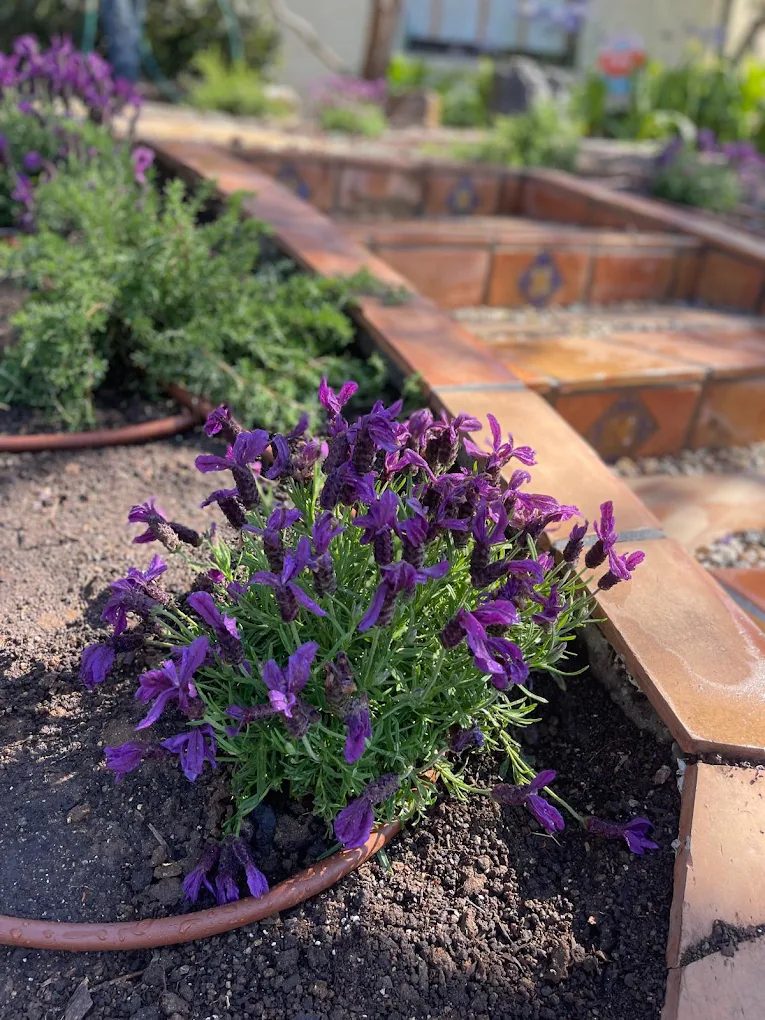
Run times and maintenance
Drip is about long, infrequent cycles: typically 30–60 minutes, one to two times a week in summer for established beds, less in winter. Shallow daily watering creates shallow roots and drought-fragile plants.
Twice a year, flush the lines, clean the filter, and walk every zone while it runs to catch chewed tubing and blown emitters. Rodents and shovels cause the majority of drip failures.
Zoning is what makes drip work
The most common irrigation mistake in San Diego is one valve trying to serve plants with completely different needs. Natives, ornamentals, vegetables and trees all want different schedules.
- Natives and established chaparral on their own valve — so they can go dry in summer
- Ornamental shrub beds on a second valve
- Trees on a third, with longer, deeper cycles
- Pots and vegetables separate again; they need frequency the beds do not
- Never mix drip and spray heads on the same valve
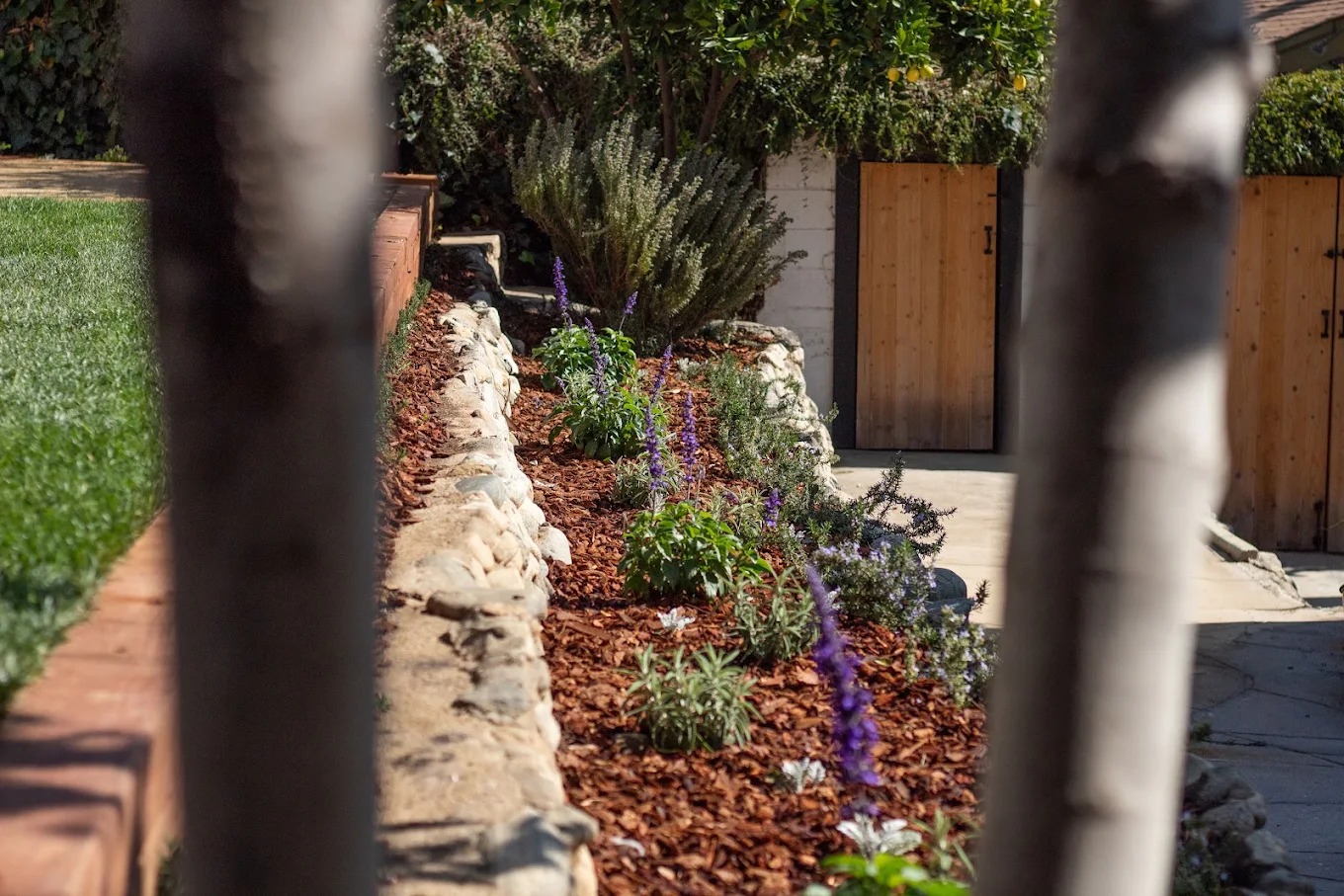
A twice-a-year drip checklist
Drip fails invisibly, so it needs a deliberate look rather than a glance at the controller.
- Flush every line from the end cap until the water runs clean
- Clean or replace the filter screen
- Run each zone and walk it — look for geysers, dry emitters and chewed tubing
- Check that emitters have moved outward as trees have grown
- Adjust run times for the season rather than leaving a summer schedule year-round
Frequently asked
- Should drip be buried?
- Under mulch, yes. Buried in soil only with subsurface-rated dripline and root-inhibiting emitters.
- Can I convert sprinklers to drip?
- Yes — retrofit kits at the head or, better, convert at the valve with proper filtration and regulation.
- How do I know it's working?
- Check soil moisture 6 inches down two hours after a cycle. Dry means underrun; soggy means overrun.
- How long should drip irrigation run in San Diego?
- Established beds generally want long, infrequent cycles — roughly 30–60 minutes once or twice a week in summer, less in winter. Short daily cycles create shallow roots.
- Why did my drip system stop working?
- Usually a clogged filter, a blown fitting from unregulated pressure, or rodent damage to the tubing. All three are found by running each zone and walking it.