We are a design-build company and we still tell people to do some of this themselves. These five deliver disproportionate improvement per hour.
Worth doing yourself
Tools required are basic; the payoff is visible immediately.
- Mulch refresh: 3 inches across all beds. Biggest visual and water-savings return of anything on this list.
- Convert spray heads to drip in shrub beds with a valve-level retrofit kit
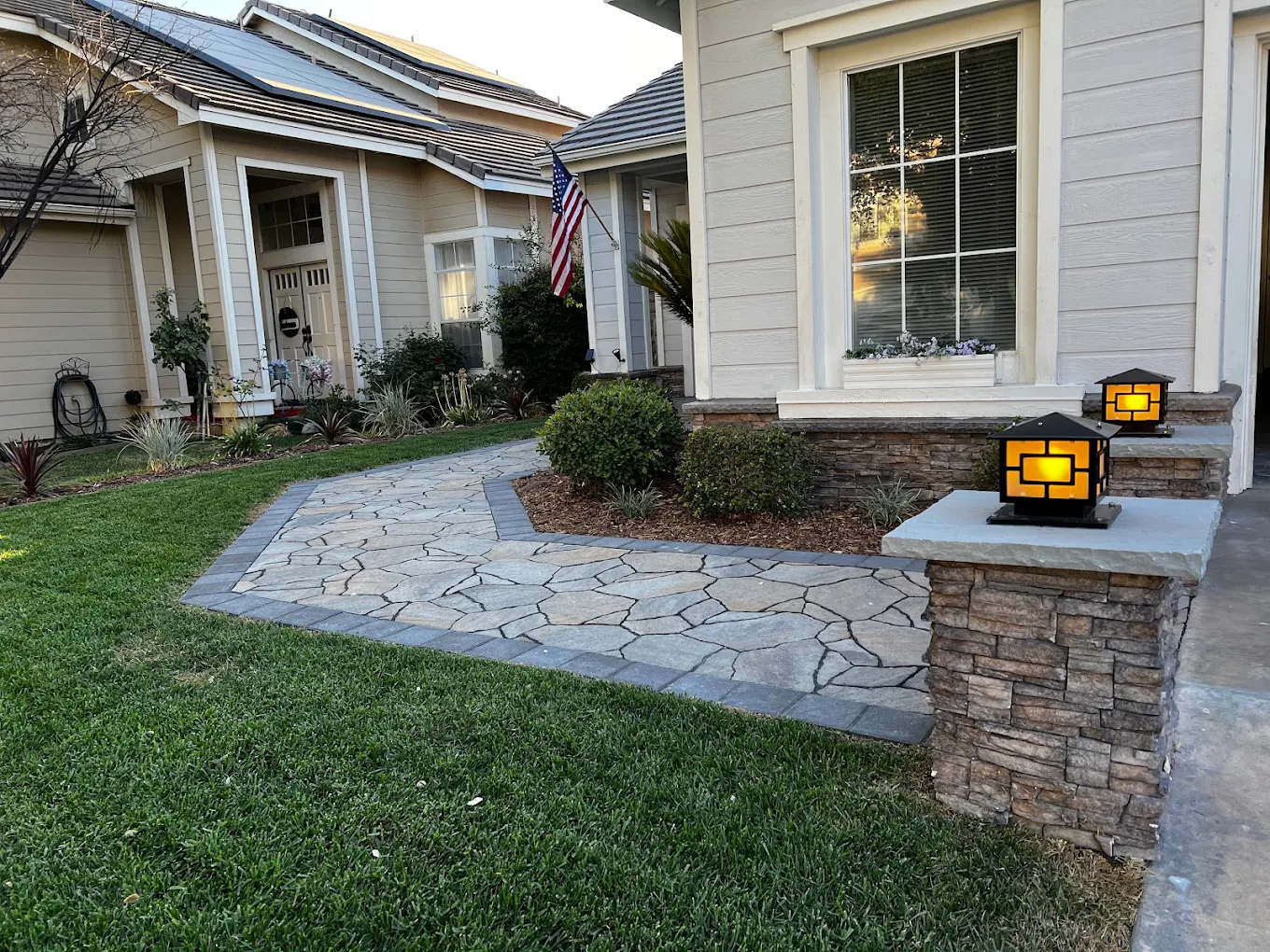
- Add path lighting on a low-voltage kit — plan spacing at 8–12 feet and avoid runway effect
- Edge every bed with a clean spade line or steel edging; crisp edges read as professional maintenance
- Plant a container grouping by the door — three pots, odd numbers, one tall, one full, one trailing
Not worth doing yourself
Retaining walls over two feet, anything with structural loading, and gas or 120V electrical. Also base prep for pavers — the machinery and compaction standards are the entire product, and a rented plate compactor over uncompacted subgrade produces a patio that fails on schedule.
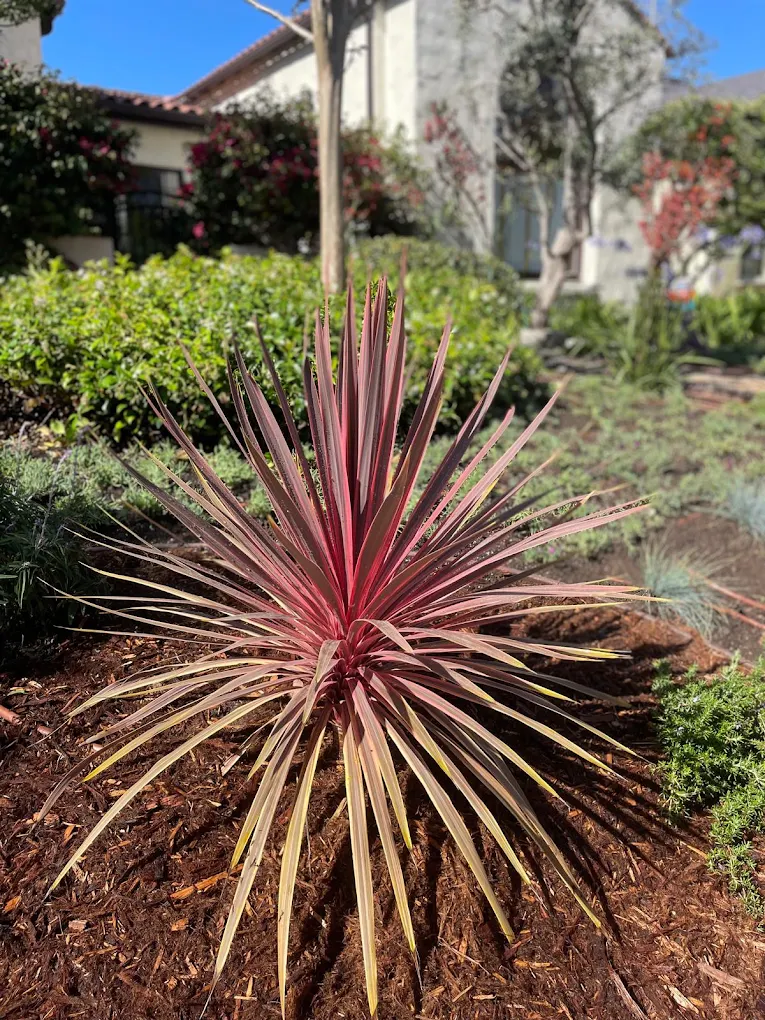
The San Diego timing note
Do your planting DIY between October and February. Summer planting means daily hand-watering for two months, and it is the reason most DIY plantings die in their first August.
Frequently asked
- Where do I buy materials?
- Local stone and masonry yards will sell to homeowners and generally give better material advice than big-box stores.
- How much mulch do I need?
- One cubic yard covers about 100 sq ft at 3 inches deep.
- Can I DIY part of a professional project?
- Often yes — planting and lighting are common owner scopes. Just define it in the contract so warranties are clear.