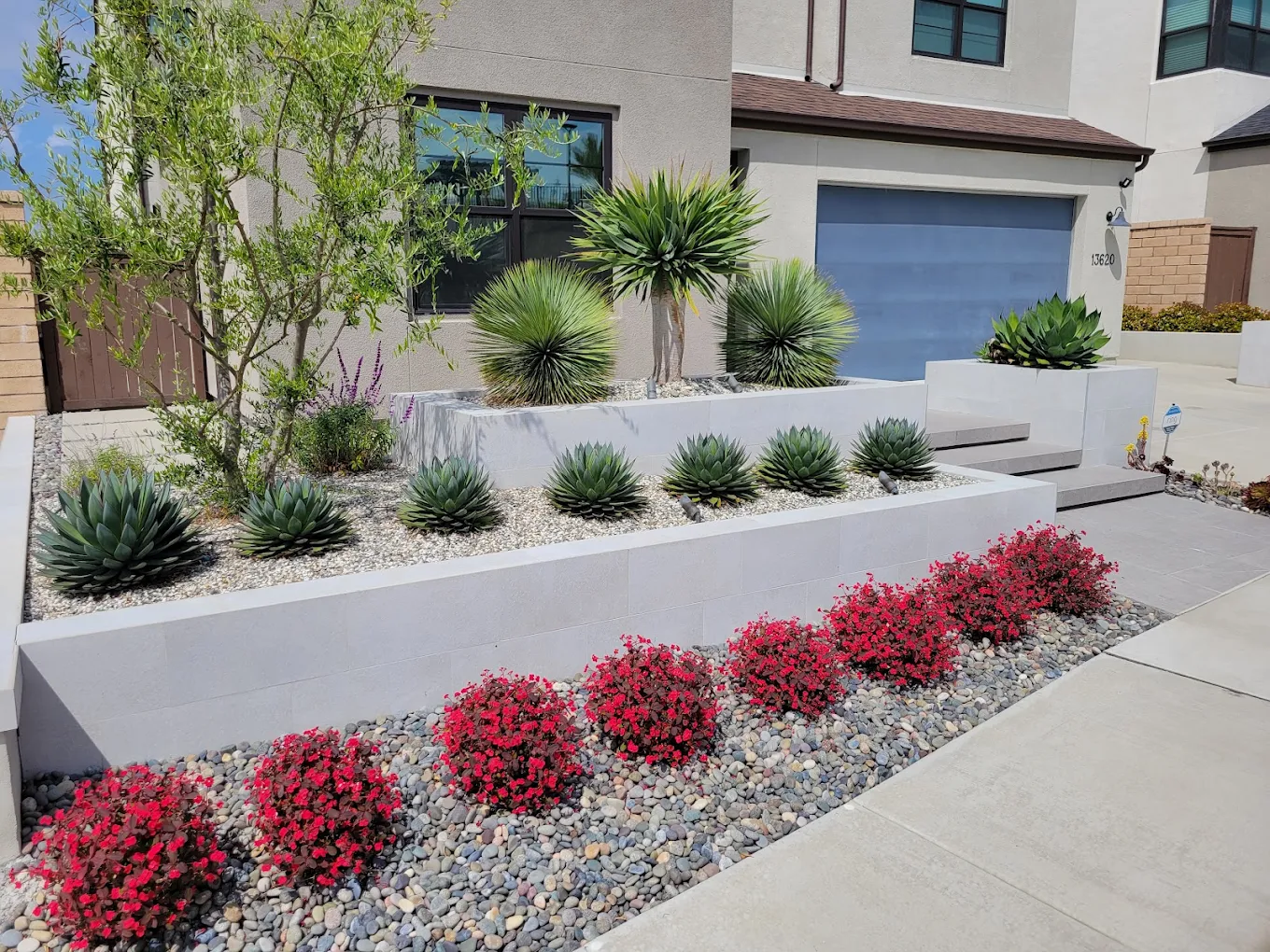
Much of El Cajon, Santee, Lakeside, Spring Valley and inland Chula Vista sits on expansive clay. It is nutrient-rich, holds water well, and will kill plants and crack hardscape if you treat it like coastal sand.
Adjustment one: mound your beds
Rather than fighting drainage, raise it. Mounding planting beds 8–18 inches with a blended soil gives roots an aerobic zone above the clay. This one change saves more plants in inland San Diego than any amendment product on the shelf.
Adjustment two: water differently
Clay accepts water slowly and holds it long. That means cycle-and-soak scheduling — multiple short cycles with soak intervals — and longer gaps between watering days. Most clay-soil plant deaths are drowning, not drought.
- Never plant into a glazed hole — score the sides so roots can exit
- Skip the 'amended backfill' myth; amend the whole bed or none of it
- Three inches of mulch moderates the shrink-swell cycle at the surface
Adjustment three: build for movement
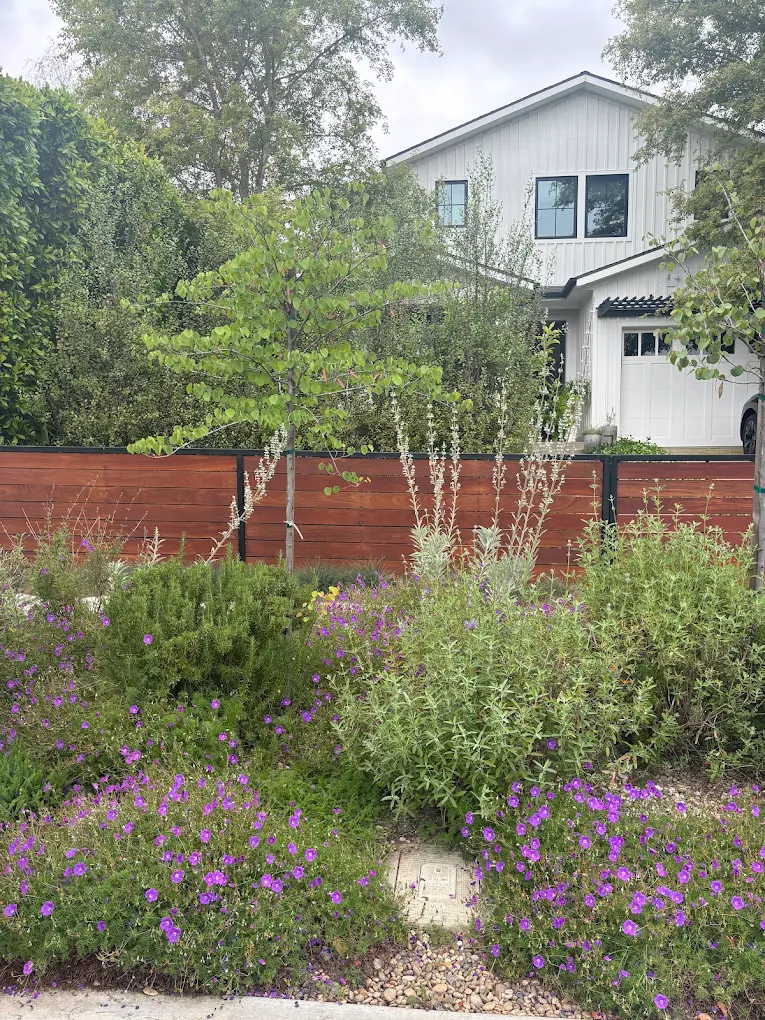
Expansive soil moves seasonally. Hardscape needs deeper compacted base, thicker slabs with reinforcement, generous control joints, and flexible systems like pavers where possible. Footings for walls and structures should be sized for the soil, which is another reason engineered plans are worth it inland.
Frequently asked
- Which plants like clay?
- Toyon, coast live oak, ceanothus 'Ray Hartman', rosemary, salvias, lantana and many grasses tolerate it well.
- Should I bring in topsoil?
- For raised beds, yes. For a whole yard, amending in place with compost is usually more effective per dollar.
- Does gypsum help?
- Only for sodic soils. Most local clay benefits far more from organic matter and correct watering.